Clean water
Category 1Supply pipes, ice makers and fresh rain through a roof begin as clean water. Fast extraction and drying often save flooring, drywall and padding when the wet time stays short.
How pipe leaks are dried ›Burst pipes, leaking water heaters, roof drips and sewage backups put water where it does not belong in Moorpark homes. Crews extract it, open what is wet and dry the structure to readings.
☎ (888) 578-6508Call about a wet floor or ceilingEvery service below covers water or sewage only, from the first extraction to the final moisture reading. Each card opens a local page with its own process, price ranges and questions.
 01
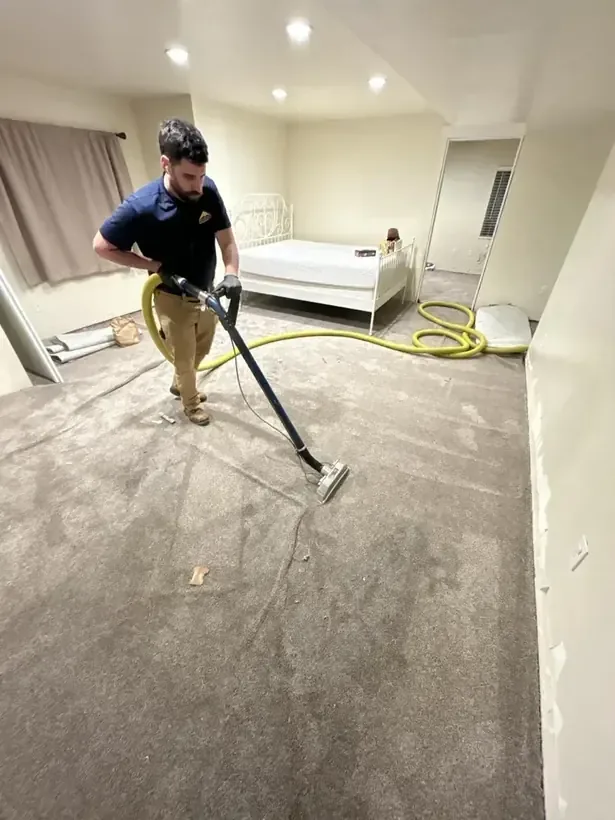
01Truck-mounted and portable extractors pull standing water from carpet, pad and hard floors before any drying equipment is set.
Open the local breakdown ›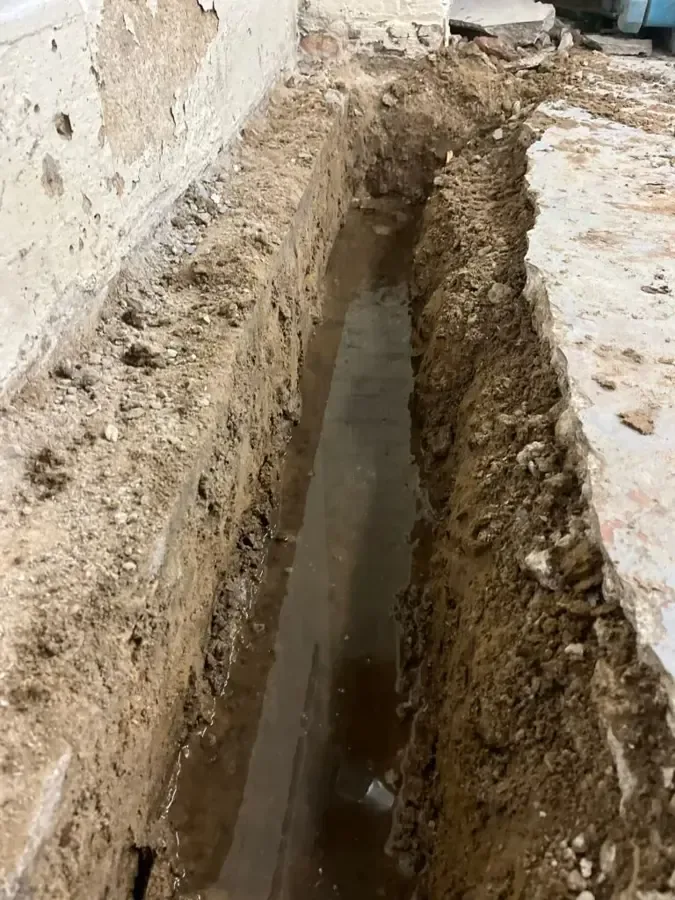 02
02A warm floor spot or a sudden bill jump can mean a leak below. The leak is traced and the slab dried to readings.
Open the local breakdown ›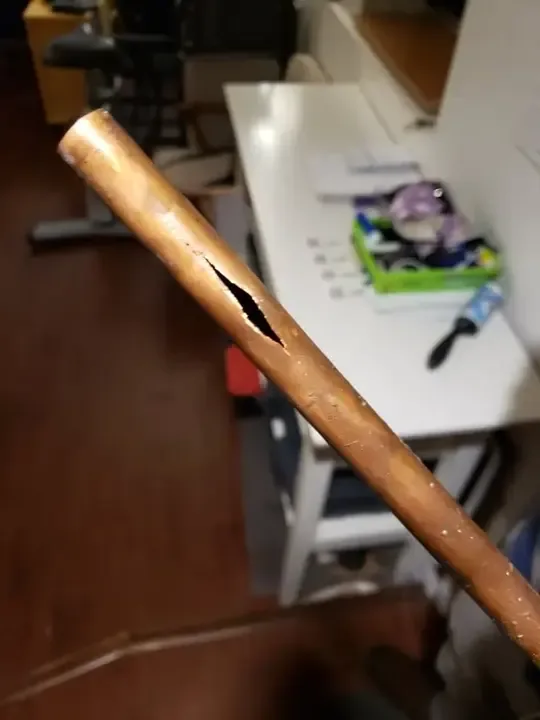 03
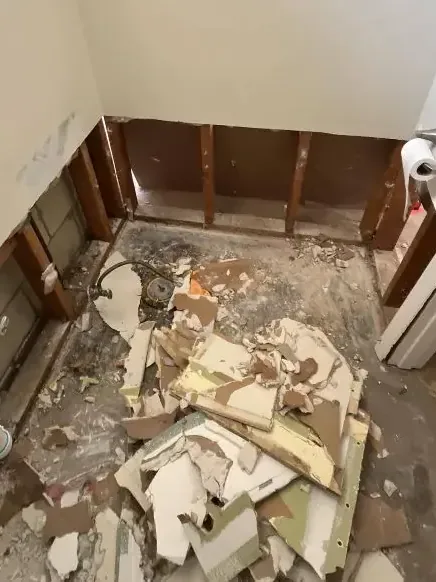
03A failed supply pipe is isolated, wet wall bottoms and insulation are opened, and the cavity is dried before anything is closed.
Open the local breakdown ›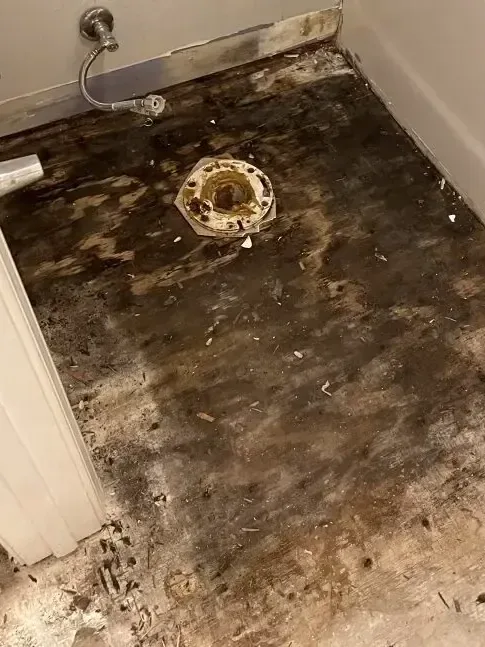 04
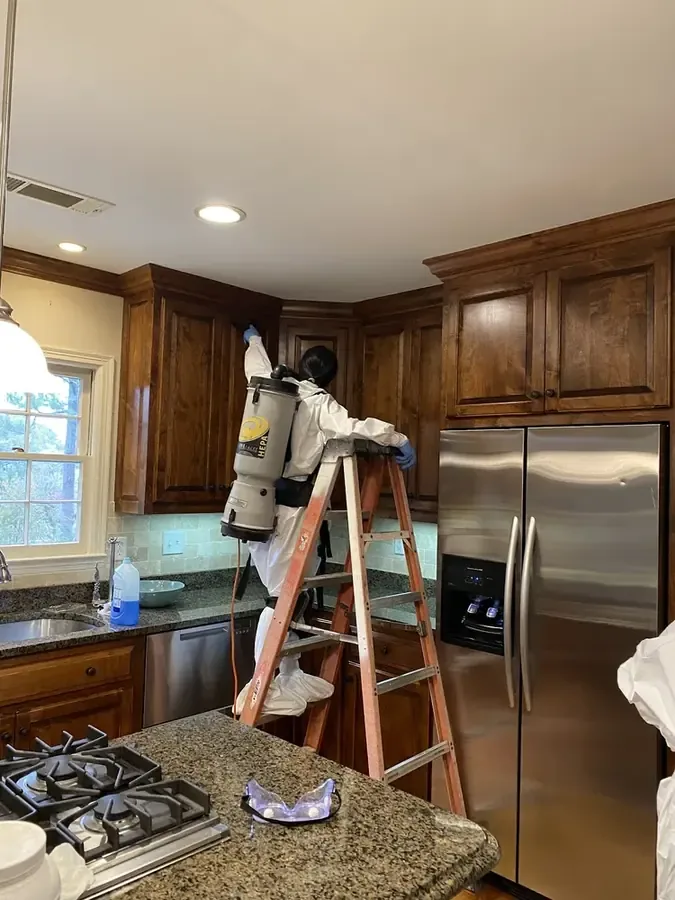
04Sewage in a tub, drain or floor is Category 3 water, so containment, protective gear, removal and antimicrobial cleaning come first.
Open the local breakdown ›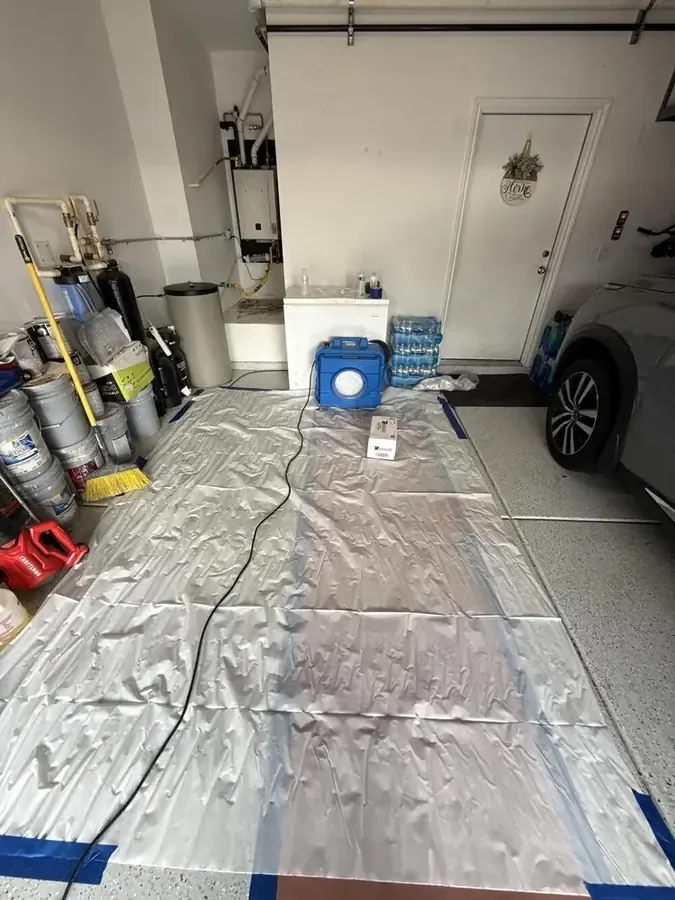 05
05Rain running into a garage or ground-level room is pumped out, mud is cleared and the slab and low walls are dried.
Open the local breakdown ›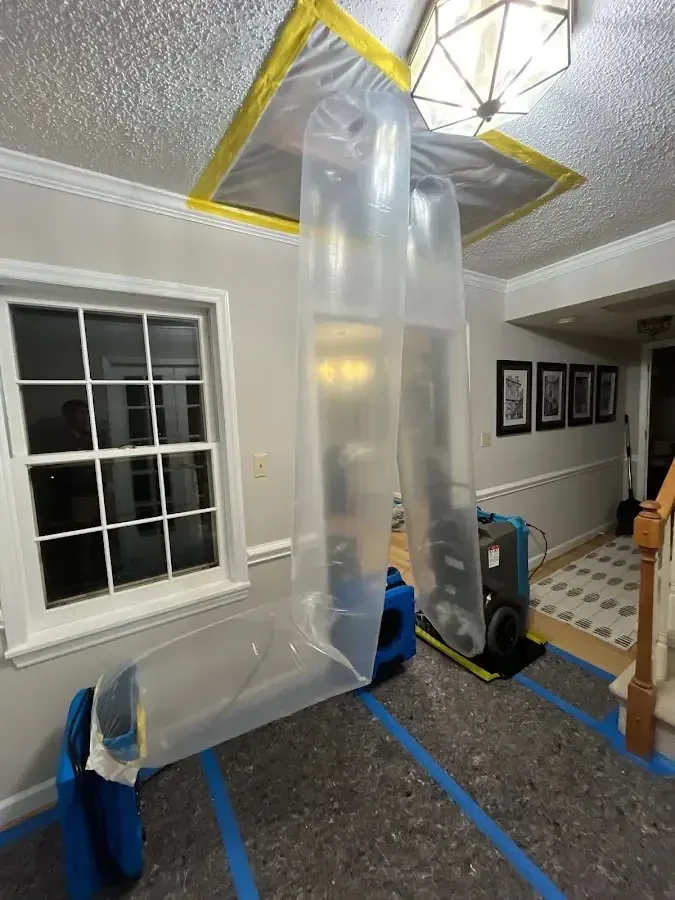 06
06A wet winter finds a tired roof surface or flashing. Soaked attic insulation, stained ceilings and wet joist bays are dried.
Open the local breakdown ›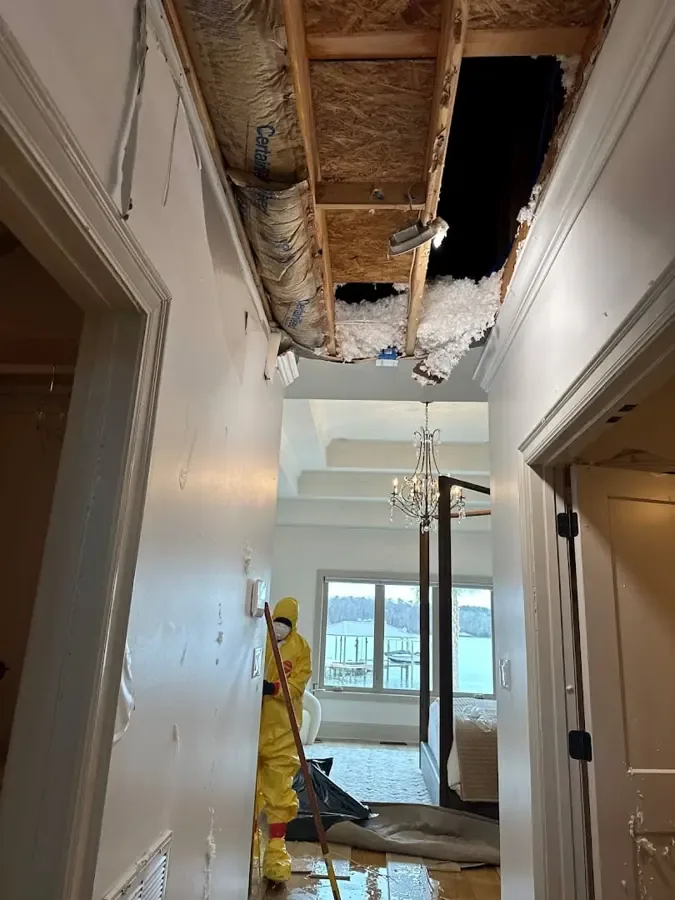 07
07A ceiling stain can come from the roof, a supply pipe or an air handler. The source comes first, then wet drywall.
Open the local breakdown ›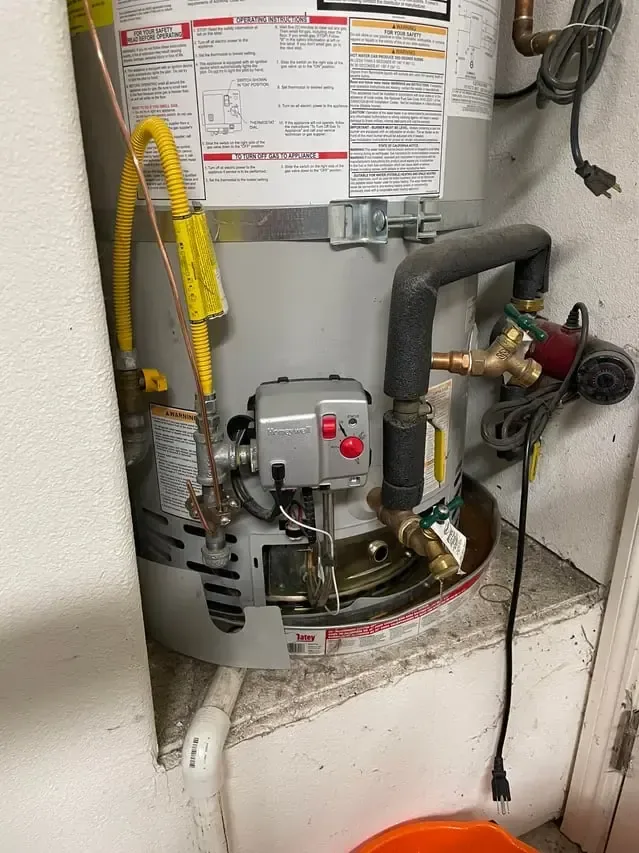 08
08A leaking tank or burst connector floods a garage or closet fast. The slab is extracted and shared walls are opened low.
Open the local breakdown ›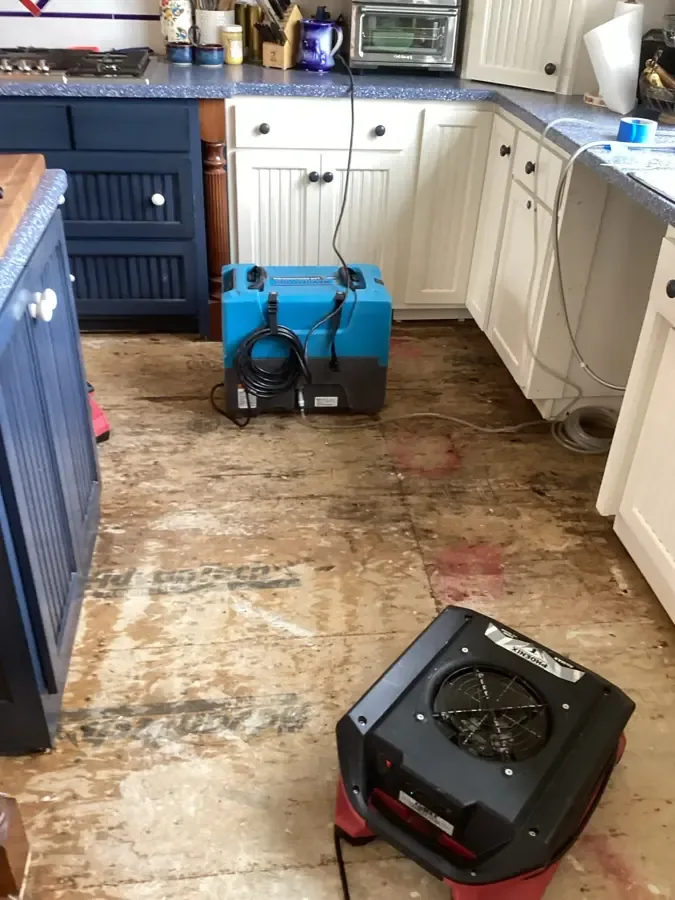 09
09Dishwashers, washers, ice makers and AC condensate pans leak into cabinets and subfloors, and sometimes through shared walls.
Open the local breakdown ›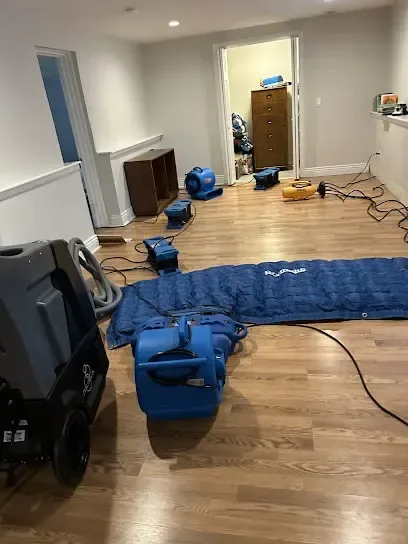 10
10Wood and laminate floors cup and buckle when water sits beneath them, so panel mats and dehumidifiers go on early.
Open the local breakdown ›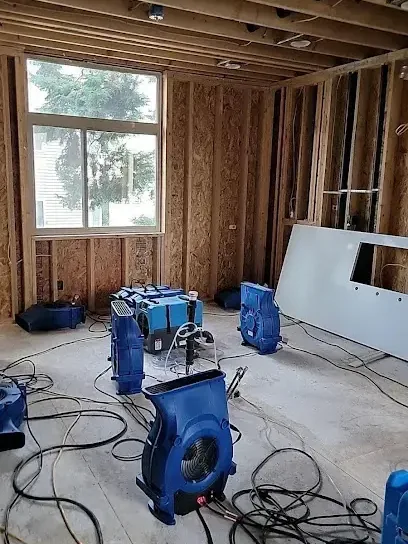 11
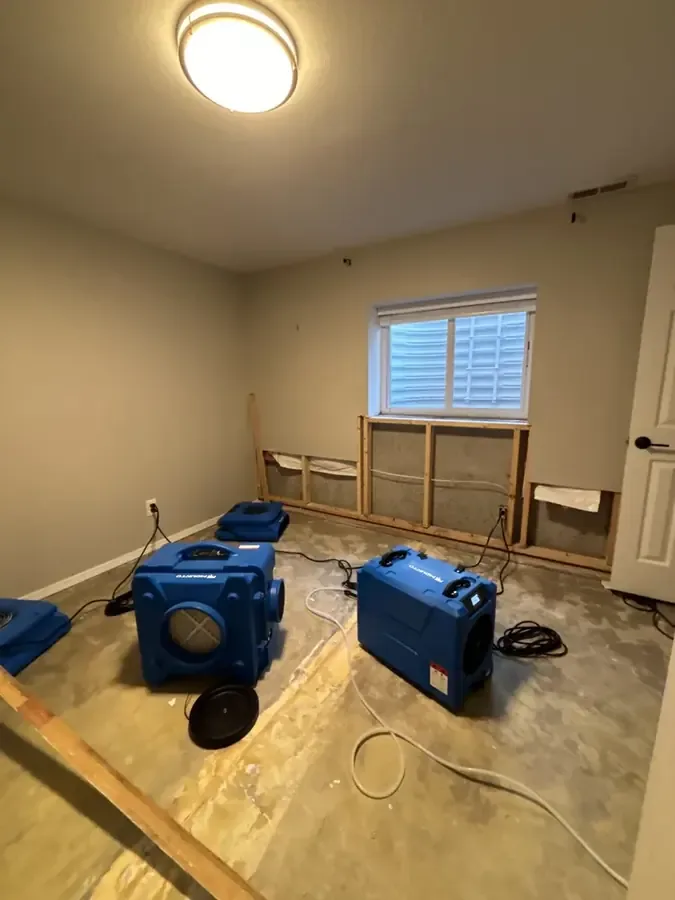
11Air movers, dehumidifiers and daily moisture readings dry framing, drywall and slabs until the numbers reach target.
Open the local breakdown ›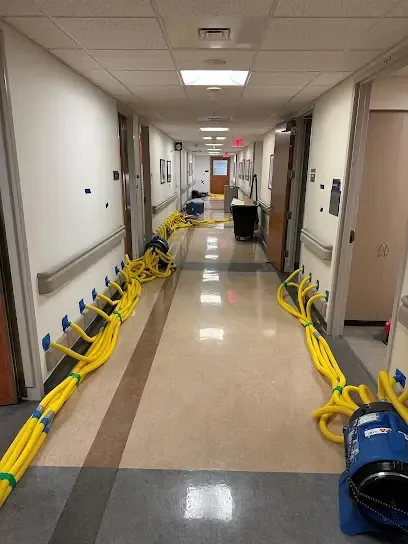 12
12Shops, offices and light industrial suites get phased drying, containment from neighbors and written reports for owners and insurers.
Open the local breakdown ›Four quick moves protect the house and the claim until help arrives.
Close the fixture valve or the main water shutoff. If the water comes from a roof or storm, stay out of rooms where it reaches outlets or light fixtures.
Switch off breakers for wet rooms only when the panel is dry and easy to reach. Never wade through standing water to get there.
Take wide and close photos of wet floors, walls, ceilings and damaged belongings. Those images support a later claim.
Move rugs, electronics, papers and small furniture out of the wet zone. Leave carpet, drywall and flooring for the crew to assess.
Crew availability is explained plainly when the call comes in, and the scope is described before anything is torn out.
Moisture readings are taken and written down at every visit, so drying progress is measured instead of assumed.
Photos, readings and equipment records are organized so an insurance adjuster can follow the loss from first visit to final reading.
Water and sewage losses are the entire focus, so the equipment and methods suit wet structures, not general remodeling.
The scope runs from extraction and removal of wet materials through drying and cleaning. Rebuilding, painting and new flooring are separate trades.
Plumbing, roofing and electrical repairs belong to those trades. The crew documents the water damage so repair work can be scheduled with clear findings.
Water behaves the same in any house: it wicks into drywall, soaks pad and settles under flooring. Controlling humidity and airflow, then checking material moisture daily, is what separates a dry home from a hidden problem.
Meters, probes and a thermal camera locate wet drywall, framing and flooring so the work is sized to the real damage.
Pumps and extractors take loose water off floors first, because every gallon left behind has to be evaporated later.
Air movers and dehumidifiers are set room by room, with openings cut where drywall or cabinetry traps moisture.
Readings are repeated each visit until materials match dry standards, and only then is equipment pulled out.
Supply pipes, ice makers and fresh rain through a roof begin as clean water. Fast extraction and drying often save flooring, drywall and padding when the wet time stays short.
How pipe leaks are dried ›Washers, dishwashers and tub overflows carry soap and light contamination. The water is extracted quickly and porous materials are inspected, since gray water worsens the longer it sits.
Appliance leak cleanup steps ›Sewage and rising floodwater carry bacteria. The area is sealed off, protective gear goes on and affected porous materials are removed rather than dried in place.
Sewage backup cleanup ›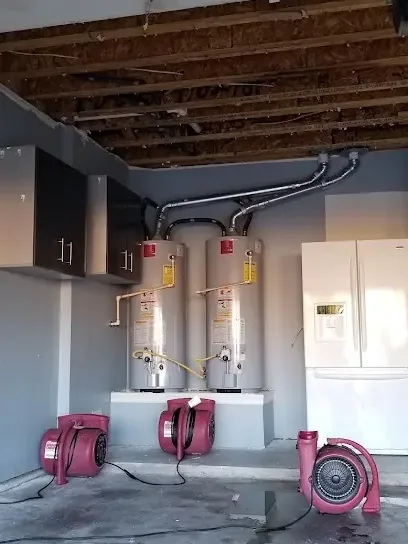
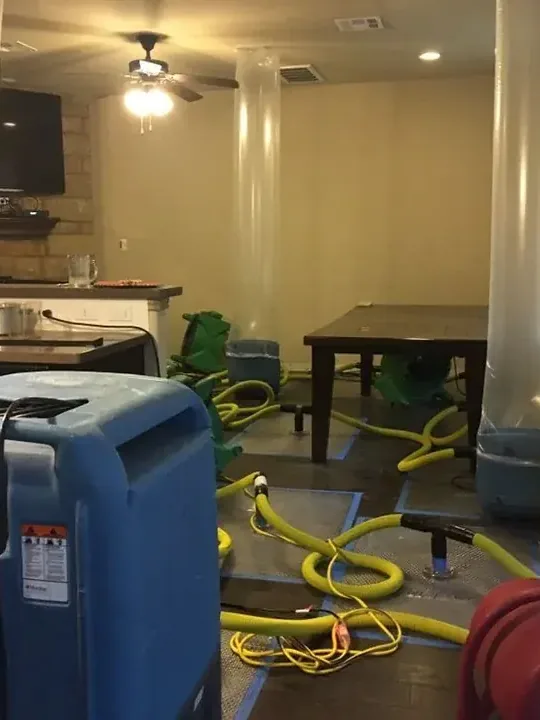
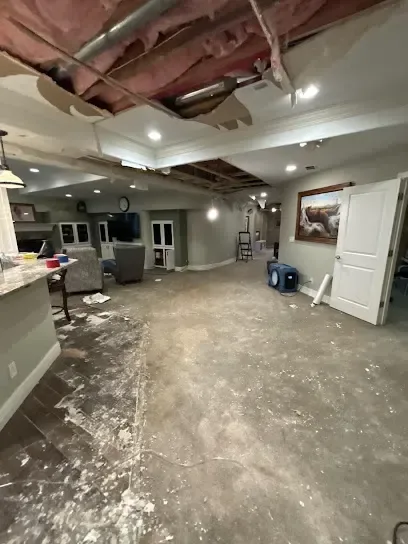
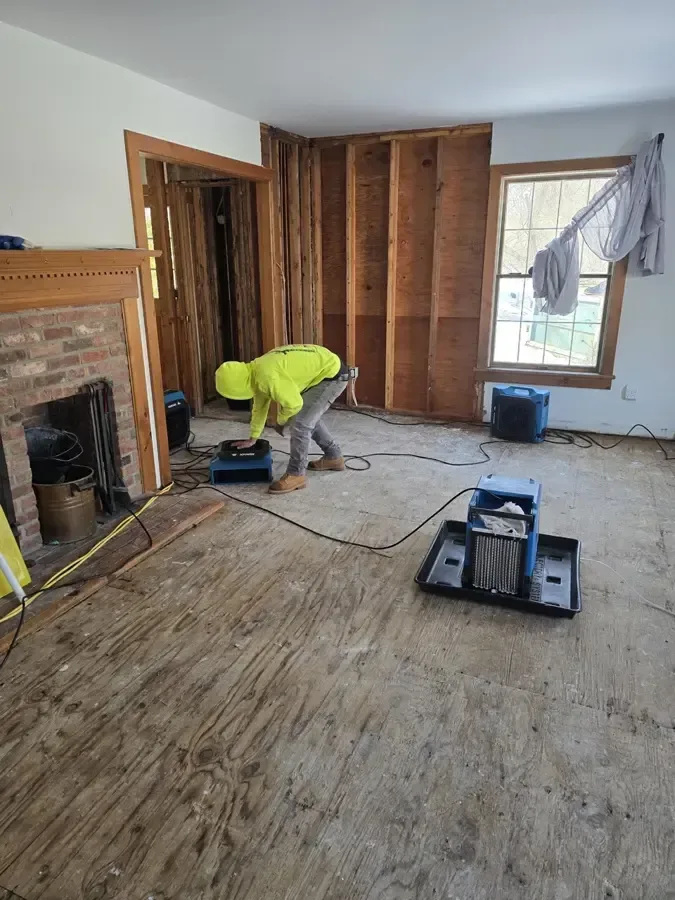
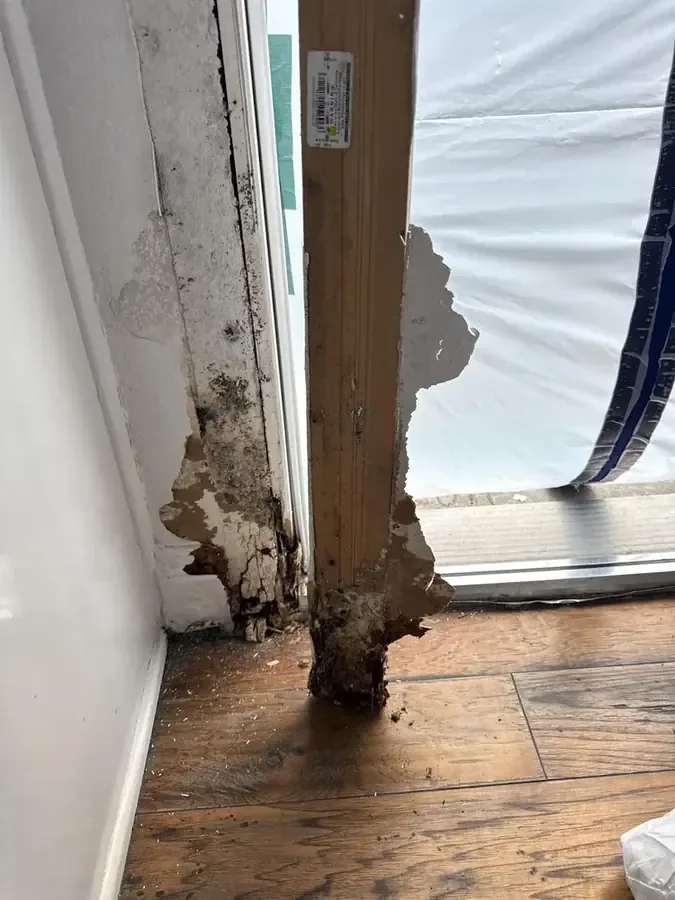
Crews work across the city, from Old Town and High Street to the newer neighborhoods south of Los Angeles Avenue and the area around the Moorpark Country Club.
Describe the loss and the street address on the call, and crew availability for that location is confirmed right then.
Moorpark, CA · [email protected]
☎ Check an address by phoneBoth ZIP codes get the same drying methods and the same written scope. All areas covered ›
Cost follows square footage wet, water category, how long materials sat soaked and whether walls or ceilings must be opened. The ranges below are typical scopes, not quotes, and a written scope comes first.
These are planning ranges built from typical scopes. Final pricing follows an inspection, and the written scope lists every wet room, material and piece of equipment.
Many water losses involve a homeowner or commercial policy, so the paperwork is organized to give an adjuster what a claim needs.
Whether a policy pays depends on its terms and the cause of the loss, and that decision belongs to the insurer. Policyholders can call the carrier before or after drying starts.
Keep receipts for temporary housing and replaced belongings, and share the drying logs with the adjuster when asked.
Ventura County has dry summers and mild, wet winters, and damaging storms can lead to flooding. Local water losses also come from worn fixtures, shared walls, sewer service and the valley setting beside the Arroyo Simi.
Ventura County winters are mild but wet, and damaging storms can lead to flooding. A roof surface or flashing that held through summer may show its weakness after the first heavy rain.
The central city sits in the valley formed by the Arroyo Simi, on flatlands and mesas at the base of hills. In any valley, ground-level garages and rooms are the first places runoff collects.
FEMA issued Letters of Map Revision that updated the flood insurance rate maps for the Arroyo Simi and the Walnut Canyon Drain. Current maps are best checked at FEMA, not assumed.
About 80 percent of the city's housing dates from 1980 or later. Water heaters, supply connectors and appliance hoses still age on their own schedule, so a newer house is not leak proof.
The city counts 1,081 single-family attached homes and 1,270 apartments, and 20.1 percent of residents rent. In those buildings a leak can cross a shared wall or ceiling.
Ventura County Waterworks District No. 1 runs the sewer collection system and the reclamation facility. A backup inside a home is still treated as Category 3 water, whatever part of the system is involved.
In 2005: Homes in Moorpark, Casitas Springs and Ojai were flooded, and the county gives December 26 to January 11 as the window of heaviest rain and damage.
Drywall and pad start absorbing water right away, wood begins to cup within days and microbial growth can start if materials stay wet for a couple of days. That is why extraction and drying begin as early as possible.
Yes. Clean water can often be dried in place, gray water calls for closer checks of porous materials, and black water means removal. Sewage is always handled as Category 3 water.
Readings decide. Drywall that sags, stays saturated or took on dirty water is cut out, while a light stain can often be dried through small drill holes with air pushed into the cavity.
Any tank wears out, whatever the age of the house. With about 80 percent of local housing dating from 1980 or later, a failing water heater is a realistic cause even in newer homes.
In attached homes and apartments, readings are taken on both sides of the shared wall and the loss is documented for each unit, so neighboring households are not left guessing.
The district runs the sewer collection system, and who owns a particular stretch of pipe is a question for the district and the property owner. The crew contains and cleans the sewage either way.
Often, when panel mats and dehumidifiers go on early. A wood meter tracks cupping and buckling, and boards that fail to flatten are replaced once the subfloor is confirmed dry.
The city's Building and Safety division checks plans and issues permits under the 2025 California Plumbing Code and offers handouts on water heaters and pipe burial depths. The plumber confirms what a repair needs.
Material moisture, not the calendar, decides. Dense items like concrete, plaster and hardwood take longer than drywall, and equipment stays until readings match the dry standard.
Wide and close shots of every wet room, the source of the water, damaged belongings and any visible staining. Dated photos help an adjuster see what the water did before drying changed it.
A crew can explain next steps, set an inspection and begin extraction once the source is stopped.
☎ (888) 578-6508Book the drying inspection