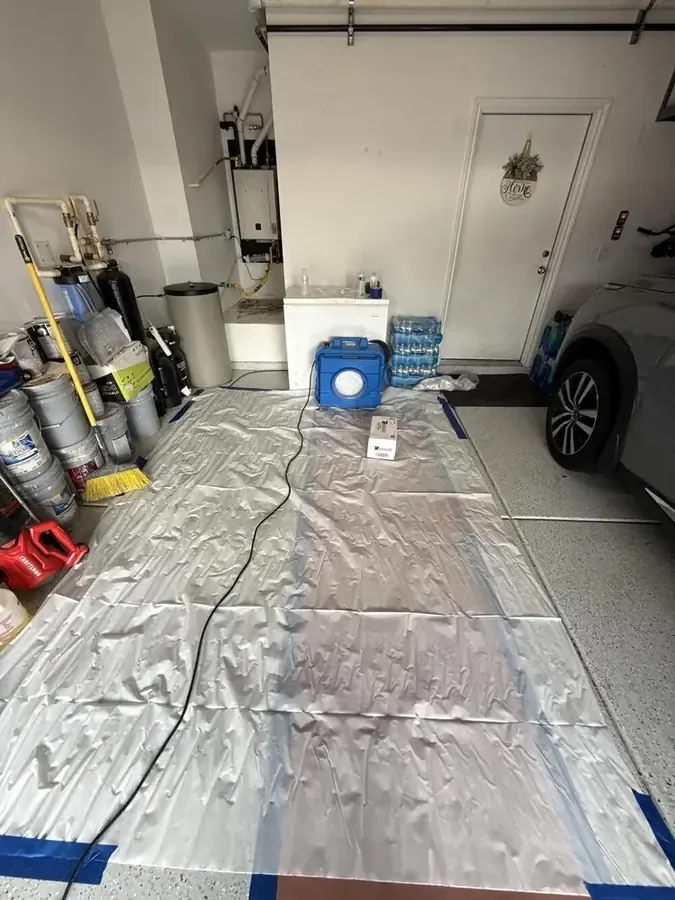
On the evening of February 7, 2024, the National Weather Service issued a flash flood warning for parts of Los Angeles and Ventura counties that named Thousand Oaks. A warning like that is a reminder of what storm water does once it reaches a house.
Key takeaways
- Storm water that comes in from outside is treated as contaminated, so porous materials it soaks are usually removed.
- Arroyo Conejo is the primary drainage for the city, and most of the city drains to the Calleguas Creek watershed.
- Nearly 85 percent of the watershed rain falls from November to March, which sets the calendar for storm cleanup.
- Extraction comes first, then mud and debris removal, then drying to readings.
- The city has four debris basins and five above ground detention basins, generally in the southern and western parts near the Santa Monica Mountains.
What the February 2024 warning meant
A flash flood warning means flooding is happening or is expected soon. The one issued on February 7, 2024 reached parts of two counties and named the city.
A warning covers an area, not individual streets, so the sensible plan is to know how storm water behaves around a home before the rain starts.
A flash flood differs from a slow river flood. Water rises fast, carries mud and debris, and can leave the street before the damage inside is noticed.
- Water pushes under garage doors and sliding doors.
- Runoff collects at low spots along driveways and patios.
- Mud and silt arrive with the water and settle on floors.
- Standing water in a low room can linger long after the street is dry.
Where Thousand Oaks storm water goes
Arroyo Conejo, also called Conejo Creek, is the primary drainage for the city. Most of the city drains to the Calleguas Creek watershed, while part of the southeast drains to the Malibu Creek watershed.
Conejo Creek leaves the city through Hill Canyon and joins Calleguas Creek in Camarillo.
For flood control, the city contains four debris basins and five above ground detention basins. They sit generally in the southern and western parts near the Santa Monica Mountains.
That map matters indoors. A home near a channel, a basin or a canyon mouth can see water move differently from one on a ridge, so local knowledge of the surrounding ground helps.
The first day after water gets in
Safety comes before cleanup. Water, mud and electricity are a poor mix.
Cleanup that starts quickly is cheaper and cleaner, but only after the household is safe.
- Stay out of moving water and away from flooded outlets and appliances.
- Turn off power to a flooded area only if the panel is dry and easy to reach.
- Photograph the waterline on walls and furniture before anything is cleaned.
- Lift rugs, boxes and electronics onto dry surfaces.
- Arrange extraction before the mud dries into a crust.
Extraction, mud and debris
Storm cleanup has two jobs at once: removing water and removing what the water carried in.
Pulling the water out
Pumps and extraction wands remove standing water from garage slabs, tile and carpet. Carpet and pad that sat in storm water are usually lifted, since they cannot be made clean by drying.
Extraction starts at the lowest point and works outward, so water is not pushed into dry rooms.
- Garage floors and entry rooms are done first.
- Wet carpet pad is cut and hauled out.
- Drains and low spots are cleared so water does not return.
Mud, silt and debris
Silt left on a floor dries into a crust that holds moisture against the surface. It is shoveled, scraped and washed away while still damp.
- Hard surfaces are cleaned and treated after the mud is gone.
- Soaked cardboard and stored paper goods are discarded.
Drying walls, floors and the garage
Once the surface water is gone, the structure still holds moisture. Moisture meters show which parts of the walls, framing and slab are wet.
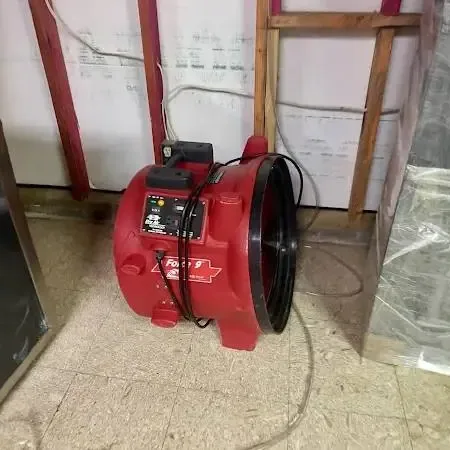
Air movers and dehumidifiers run until the readings match a dry reference, which is how the storm water cleanup in Thousand Oaks is finished and documented.
Soaked drywall at the bottom of a wall is often cut out, while framing and hard flooring can usually dry in place when readings support it.
Wall cavities need airflow, so baseboards come off and small openings let air reach the inside of the wall. Cabinets are checked at the toe kick, where water collects.
- Garage slabs dry slowly and are checked again before equipment leaves.
- Cabinet bases and baseboards are pulled so the cavity behind them can dry.
- Final readings are written down for the homeowner.
Questions worth asking before work starts
Storm cleanup involves many decisions in a short time, and a homeowner is entitled to clear answers. A good crew explains what is coming out, what stays and how drying will be measured.
Homeowners across the city can see the range of work on the Thousand Oaks water damage page, and the same methods are described on the main storm flood cleanup page.
- Which materials are being removed, and what makes each one unsafe to keep?
- How will moisture be measured, and what reading counts as dry?
- Where will equipment run, and what clear space does it need?
- Will wall sections be opened, and how high will the cuts go?
- Which photos and readings will be saved for the household records?
Preparing for the wet season
Nearly 85 percent of the annual precipitation in the Calleguas Creek watershed falls between November and March. That is the stretch when storm cleanup calls cluster.
The city General Plan background report says more frequent short, intense rainfall could raise the potential for flash flooding and debris flows, particularly after wildfire.
A homeowner can prepare by clearing drains, knowing where water extraction help is available and keeping photos of the home as it normally looks.
- Clear gutters, patio drains and yard drains before November.
- Keep a short list of what to lift first if water enters.
- Store important papers and electronics above floor level.
Questions
Does a flash flood warning mean a home will flood?
No. A warning covers an area and says flooding is happening or expected soon. Whether water reaches a particular home depends on the ground around it and the drainage nearby.
Is storm water handled like clean water from a broken pipe?
No. Water that arrives from outside carries soil and contaminants, so soaked carpet, pad and other porous materials are usually removed instead of dried in place.
Why does mud matter once the water drains away?
Silt left on a floor dries into a crust that traps moisture and is hard to clean later. It is removed while still damp, before the drying equipment goes in.
What can dry in place after storm water?
Hard surfaces, framing and some flooring can dry in place when readings support it. Carpet pad and soaked drywall at the bottom of walls often cannot.
When is storm cleanup needed most in Thousand Oaks?
Rain falls mostly from November to March, so that is when cleanup calls cluster. Short, intense bursts can cause trouble at any point in that stretch.
What belongings should be lifted first?
Electronics, papers, photo albums and anything made of cardboard go first. Heavy furniture is raised onto blocks or dry surfaces when that is safe to do.